

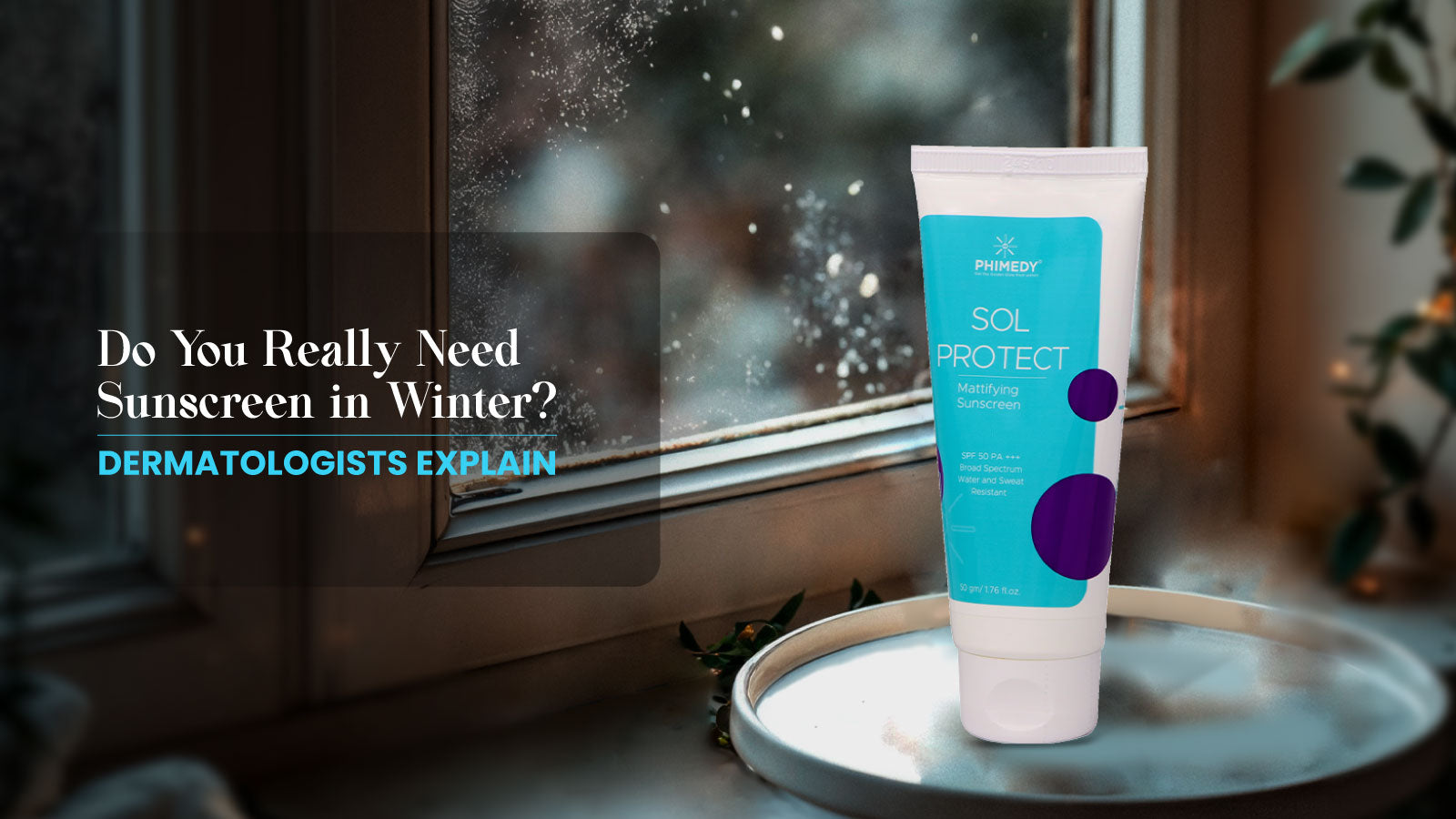
Do You Really Need Sunscreen in Winter? Dermatologists Explain
Many people believe sunscreen is only necessary during summer, but dermatologists strongly disagree. Even in winter, your skin is exposed to harmful ultraviolet (UV) rays that can cause long-term damage. The sun may feel milder, but UVA rays remain constant throughout the year, making daily sunscreen an essential step—regardless of the season.
Understanding UV Rays in Winter
UVA rays penetrate deep into the skin and are responsible for premature aging, pigmentation, and collagen breakdown. These rays remain present year-round and can pass through clouds and glass, meaning your skin is exposed even on overcast days or indoors near windows. This is why winter sun protection is just as important as summer protection.
Why SPF 50 PA+++ Matters in Winter
SPF 50 offers high-level protection against UVB rays, which cause sunburn and surface damage, while PA+++ indicates strong protection against UVA rays. During winter, when the skin barrier is already weakened due to dryness and cold weather, higher sun protection helps prevent further damage, sensitivity, and pigmentation. Dermatologists recommend SPF 50 PA+++ for consistent, everyday protection—especially for those dealing with uneven skin tone or using active ingredients.
Winter Skincare Actives & Sun Sensitivity
Winter skincare routines often include Vitamin C, Niacinamide, exfoliating acids, and brightening treatments. While these ingredients improve skin health, they can also make the skin more sensitive to UV exposure. Without adequate sun protection, this sensitivity can lead to irritation and dark spots. Using a high-protection sunscreen ensures your skincare works effectively without causing sun-induced damage.
Phimedy Sol Protect Sunscreen SPF 50 PA+++ – Your Winter Essential
Phimedy Sol Protect Mattifying Sunscreen SPF 50 PA+++ provides broad-spectrum protection against both UVA and UVB rays, making it ideal for daily winter use. Its lightweight, non-greasy formula protects the skin without feeling heavy or clogging pores. Designed for everyday wear, it helps prevent pigmentation, premature aging, and sun damage while maintaining a comfortable, matte finish—even in cooler weather.
Does Sunscreen Affect Vitamin D Levels?
A common concern is whether daily sunscreen use reduces Vitamin D absorption. Dermatologists confirm that normal, incidental sun exposure is usually sufficient for Vitamin D synthesis, even with sunscreen use. Prioritizing sun protection helps prevent long-term skin damage while Vitamin D levels can be easily managed through diet or supplements if required.
How to Apply Sunscreen Correctly in Winter
Sunscreen should be applied every morning as the final step of your skincare routine, after moisturizer. Use a generous amount and ensure even coverage on the face, neck, and exposed areas. If you spend extended time outdoors, reapplication is recommended. Consistency is key to maintaining healthy, protected skin throughout winter.
Dermatologists’ Final Take
Yes, sunscreen is non-negotiable—even in winter. UV rays don’t disappear with cold weather, and skipping sunscreen can undo the benefits of your skincare routine. Using a high-protection formula like Phimedy Sol Protect Sunscreen SPF 50 PA+++ helps safeguard your skin barrier, prevent pigmentation, and support long-term skin health.
Final Thoughts
Sunscreen is a year-round essential, not a seasonal option. With SPF 50 PA+++ protection, Phimedy Sol Protect Sunscreen ensures your skin stays protected, balanced, and healthy—no matter the weather. Make sunscreen a daily habit this winter and beyond.




%20rays%20that%20can%20cause%20long-ter...)
Leave a comment
This site is protected by hCaptcha and the hCaptcha Privacy Policy and Terms of Service apply.