

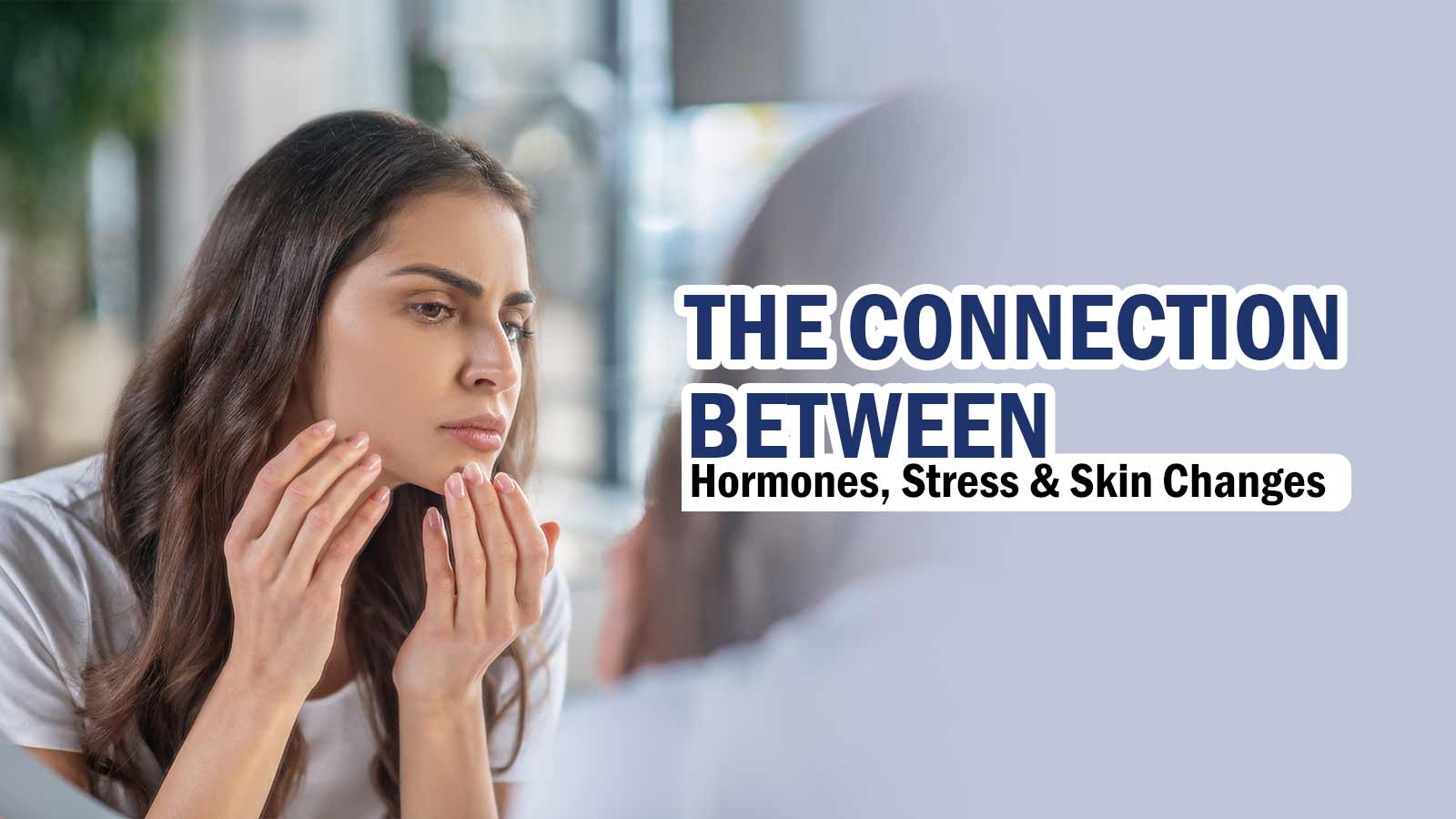
The Connection Between Hormones, Stress & Skin Changes
Skin health is not only influenced by external skincare products. Many skin concerns actually begin inside the body, influenced by hormones, lifestyle, and stress levels.
Hormonal fluctuations and chronic stress can significantly affect skin texture, oil production, inflammation, and aging. This is why some people suddenly experience breakouts, dullness, pigmentation, or sensitivity even when their skincare routine remains the same.
Understanding the connection between hormones, stress, and skin changes helps explain why modern dermatology and aesthetic medicine focus not only on surface treatments but also on internal balance and skin barrier health.
How Hormones Influence Skin Health
Hormones act as chemical messengers that regulate many body functions, including skin oil production, collagen levels, hydration, and healing ability.
When hormone levels fluctuate, the skin often shows visible changes.
Common hormonal influences on the skin include:
Increased Oil Production
Hormones such as androgens can stimulate the sebaceous glands, leading to excess oil production. This often contributes to acne breakouts, clogged pores, and shiny skin.
Changes in Collagen Production
Hormonal shifts can reduce collagen production, making the skin appear thinner, less elastic, and more prone to fine lines.
Pigmentation Changes
Hormonal imbalances can trigger melanin overproduction, which may result in pigmentation concerns like melasma or uneven skin tone.
Skin Sensitivity
Hormonal fluctuations may weaken the skin barrier, leading to increased sensitivity, redness, or irritation.
How Stress Affects Skin
Stress triggers the release of cortisol, the body's primary stress hormone. Elevated cortisol levels can negatively impact skin health in several ways.
Increased Breakouts
Stress can stimulate oil glands and inflammation, making acne more frequent or persistent.
Slower Skin Repair
High cortisol levels may slow down the skin’s ability to heal and regenerate, leading to longer recovery from damage or inflammation.
Skin Barrier Weakening
Chronic stress can disrupt the skin barrier, causing dryness, irritation, and increased sensitivity.
Dull and Tired Appearance
Stress affects blood circulation and oxygen delivery to the skin, often making the skin appear dull, tired, and less radiant.
Lifestyle Factors That Worsen Hormonal Skin Changes
Hormonal and stress-related skin concerns are often amplified by certain lifestyle habits.
Some common contributing factors include:
- Poor sleep patterns
- High stress levels
- Unbalanced diet
- Dehydration
- Excess caffeine or sugar intake
- Lack of physical activity
These factors can disrupt the body’s natural balance and directly influence skin health.
Why Professional Skin Assessment Matters
Because hormonal and stress-related skin concerns can appear similar to other skin issues, choosing the right treatment requires a detailed skin analysis.
At PHI Clinics, the process begins with an AI-based Skin Assessment and Consultation using advanced diagnostic technology.
This allows specialists to evaluate:
- Skin hydration levels
- Oil production
- Pigmentation depth
- Skin barrier condition
- Underlying skin concerns
Based on this analysis, the most suitable treatment plan can be recommended.
Professional Treatments That Support Hormonal Skin Balance
While skincare products help maintain the skin, professional treatments can support deeper skin repair and balance.
Advanced Facials for Skin Barrier Repair
Professional facials help restore hydration, calm inflammation, and improve skin resilience.
The PHI Luxury Facial Range includes specialised treatments designed to support different skin needs:
- PHI Hydra Facial – deeply hydrates and cleanses the skin
- PHI Brilliance Facial – improves dullness and uneven texture
- PHI Hydra Boost Facial – restores moisture and skin barrier balance
- PHI Collagen Boost Facial – supports skin elasticity and firmness
- PHI Fire & Ice Facial – stimulates skin renewal and improves glow
- PHI Insta Glow Laser Facial – enhances skin radiance and tone
These facials are customised after the skin assessment to ensure the treatment matches the skin’s current condition.
Regenerative Skin Treatments
For deeper skin repair and long-term skin health, regenerative therapies may also be recommended.
Some advanced treatments include:
Exosome Therapy
Exosome therapy supports cellular communication and skin regeneration. It can help:
- Improve skin repair
- Reduce inflammation
- Support collagen production
- Enhance overall skin quality
These regenerative treatments focus on improving the skin’s natural healing and renewal ability rather than only treating surface concerns.
Managing Stress for Healthier Skin
While treatments support skin recovery, managing stress also plays an important role in maintaining healthy skin.
Some helpful habits include:
- Maintaining a consistent sleep schedule
- Staying hydrated
- Eating a balanced diet
- Practicing relaxation techniques like meditation or yoga
- Regular physical activity
When lifestyle balance improves, the skin often responds positively.
The PHI WeCare Approach
At PHI Clinics, skin treatments focus on long-term skin health rather than temporary cosmetic fixes.
The PHI WeCare Approach includes:
- AI-based skin assessment and professional consultation
- Personalised treatment planning
- Advanced facial and regenerative therapies
- Focus on skin barrier repair and natural skin health
This approach ensures that treatments are scientifically guided, customised, and focused on sustainable skin improvement.
Conclusion
Hormones and stress play a significant role in how the skin behaves. Changes in oil production, collagen levels, and skin sensitivity are often linked to internal factors rather than just external skincare.
By understanding the connection between hormones, stress, and skin changes, it becomes easier to choose treatments that support overall skin health, repair, and balance.
Professional skin analysis, personalised facials, and regenerative therapies can help restore the skin’s natural resilience and maintain a healthier, more balanced complexion over time.


Leave a comment
This site is protected by hCaptcha and the hCaptcha Privacy Policy and Terms of Service apply.