

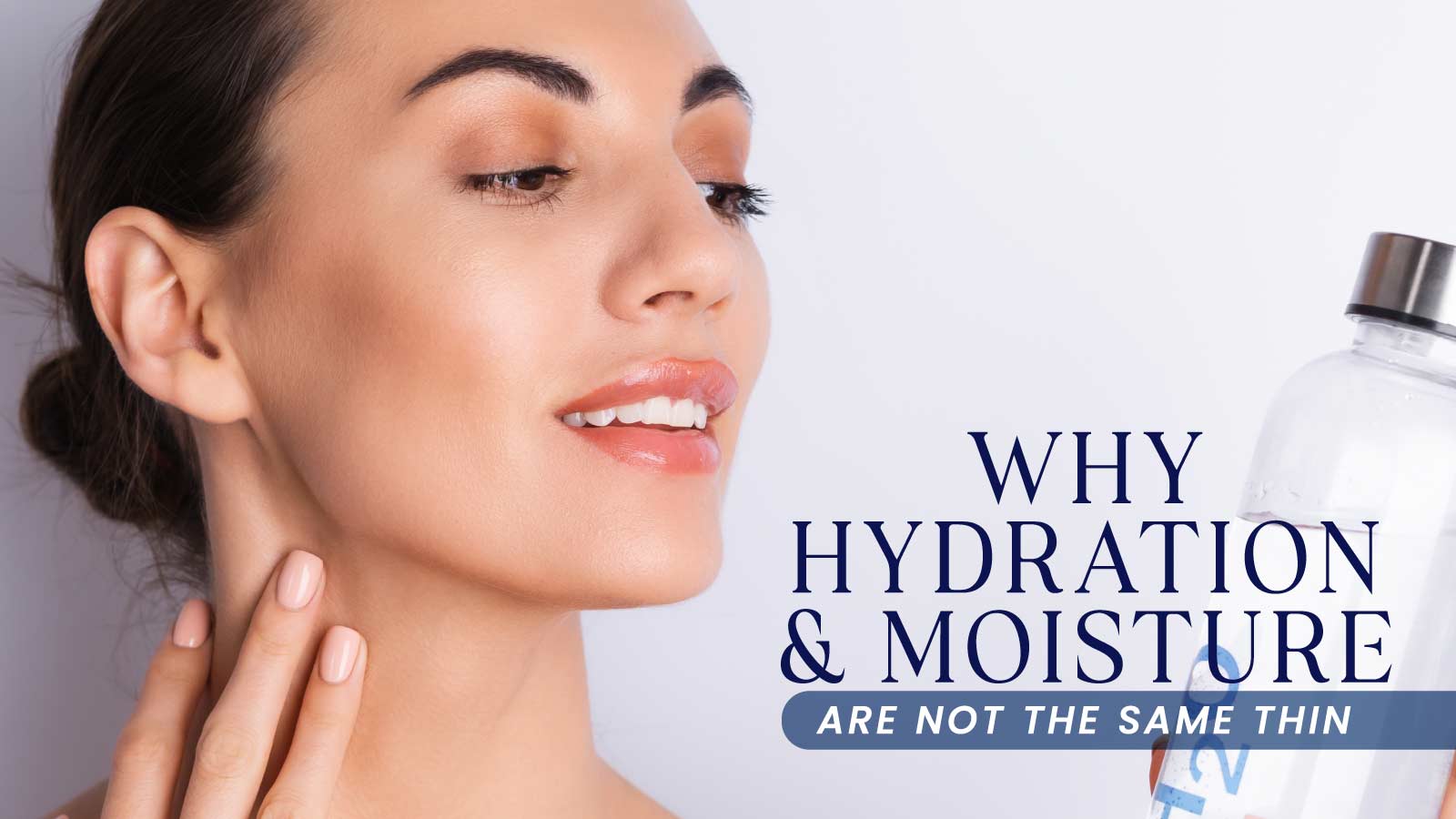
Why Hydration and Moisture Are Not the Same Thing
Many people use the words hydration and moisture interchangeably in skincare. If your skin feels tight, you reach for a moisturizer. If it looks dull, you assume it needs hydration. But here’s the truth most people don’t realize — hydration and moisture are not the same, and confusing the two is one of the biggest reasons skincare routines fail.
Understanding this difference can completely change how your skin looks, feels, and responds to products.
What Is Skin Hydration?
Hydration refers to the water content inside your skin cells. When your skin is hydrated, its cells are plump, healthy, and functioning properly.
Dehydrated skin lacks water — not oil. This can happen to any skin type, including oily and acne-prone skin.
Common signs of dehydrated skin include:
- Dull or tired appearance
- Fine lines that appear suddenly
- Tightness even after moisturizing
- Skin that feels oily yet uncomfortable
Hydration is about supplying water-binding ingredients that attract and hold water within the skin.
What Is Skin Moisture?
Moisture refers to the oil or lipid content on the surface of the skin. These lipids form a protective barrier that prevents water from escaping.
Dry skin lacks moisture — meaning it doesn’t produce enough natural oils.
Signs of dry (moisture-deficient) skin include:
- Flakiness or rough texture
- Persistent tightness
- Cracking or irritation
- Skin that feels uncomfortable all day
Moisture is about sealing and protecting the skin, not adding water.
Why Hydration and Moisture Are Often Confused
Many people apply a thick cream and expect their skin to feel hydrated. But if the skin lacks water internally, oils alone won’t fix the problem. On the other hand, applying only hydrating serums without sealing them can cause water to evaporate quickly.
That’s why skin can feel:
- Oily but tight
- Soft initially but dry later
- Smooth yet dull
The skin may be moisturized without being hydrated, or hydrated without being moisturized.
How Hydration and Moisture Work Together
Healthy skin needs both hydration and moisture.
- Hydration fills skin cells with water
- Moisture locks that water in
Without hydration, the skin looks dull and tired.
Without moisture, hydrated skin quickly loses water.
This balance is what keeps skin:
- Smooth and supple
- Even-toned
- Resilient and comfortable
- Less prone to sensitivity and irritation
Why Skin Issues Persist When This Balance Is Missing
When hydration and moisture are not addressed correctly, skin problems linger or worsen. Dehydrated skin can overproduce oil, leading to breakouts. Dry, under-moisturized skin can become sensitive and inflamed. Even anti-aging and brightening products won’t work effectively if this foundation is weak.
This is why layering matters — hydrating products should go first, followed by moisturizers that support the skin barrier.
How to Support Both Hydration and Moisture in Your Routine
An effective routine should:
- Start with gentle cleansing that doesn’t strip natural oils
- Include hydrating ingredients that attract water
- Follow with moisturizers that strengthen the skin barrier
- Avoid harsh actives that disrupt this balance
At Phimedy, product formulations are designed to respect this distinction — supporting hydration at the cellular level while maintaining moisture at the surface. When skincare works with the skin’s natural needs, results become more visible and long-lasting.
Conclusion: Balance Is the Secret to Healthy Skin
Hydration and moisture are not interchangeable — they are complementary. One cannot replace the other. When you understand what your skin is truly lacking, skincare becomes simpler, more effective, and far less frustrating.
Hydrate your skin cells.
Protect them with moisture.
That balance is where healthy skin begins.
Frequently Asked Questions
- Can oily skin be dehydrated?
Yes. Oily skin often lacks water and overproduces oil to compensate. - Do I need a moisturizer if I use a hydrating serum?
Yes. Hydrating serums add water, but moisturizers help lock it in. - How do I know if my skin needs hydration or moisture?
If skin feels tight but oily, it’s likely dehydrated. If it feels rough and flaky, it likely lacks moisture. - Can one product do both?
Some formulations support both, but most routines work best when hydration and moisture are layered correctly.


Leave a comment
This site is protected by hCaptcha and the hCaptcha Privacy Policy and Terms of Service apply.