

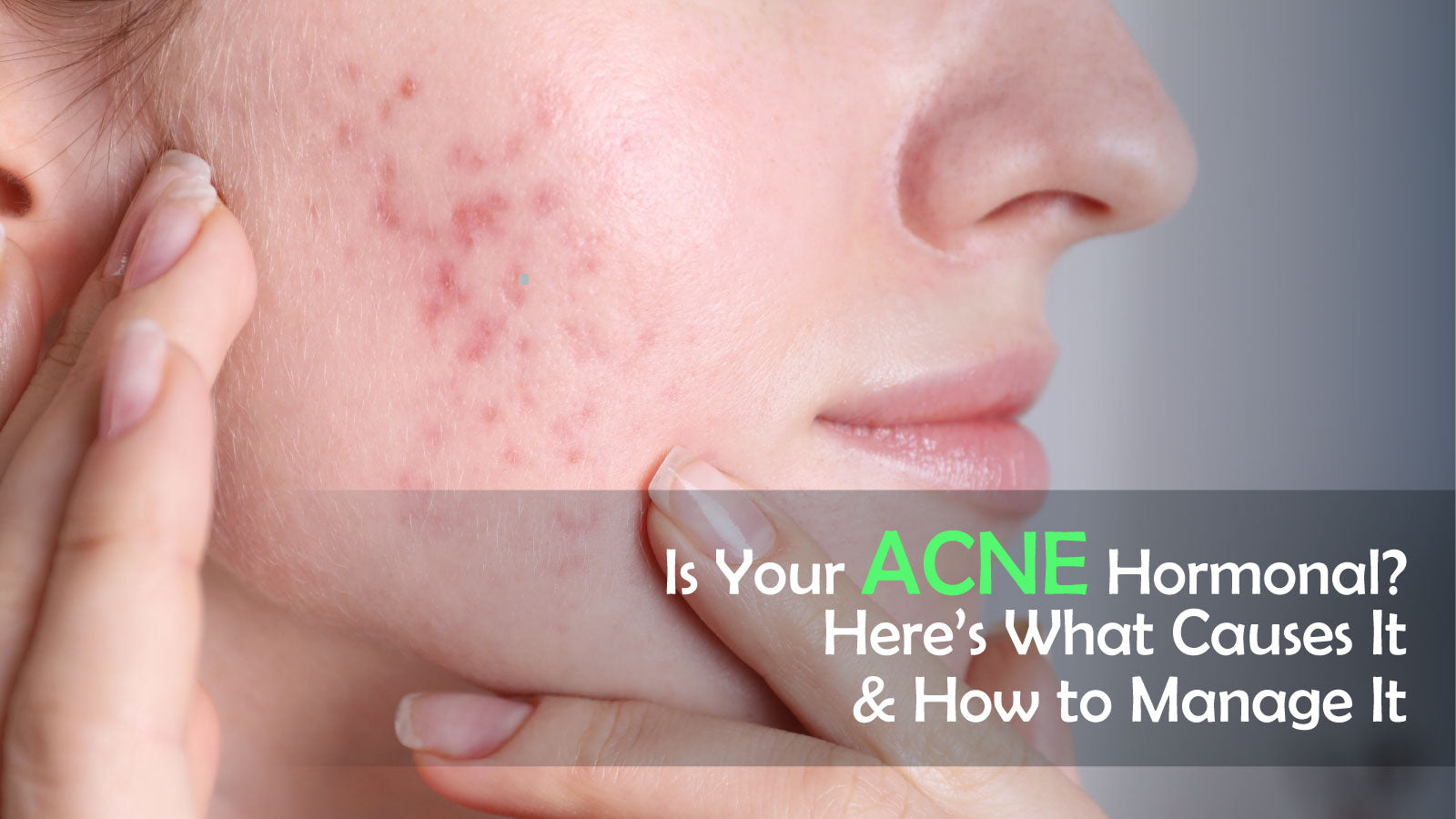
Is Your Acne Hormonal? Here’s What Causes It & How to Manage It
Acne can feel like a mystery — some days your skin is perfectly calm, and other days it behaves like it woke up and chose stress.
But when your breakouts are deep, painful, and mostly around your lower face, they’re often linked to something internal: your hormones.
Hormonal acne is extremely common, and the key to managing it is understanding how your skin reacts — and supporting it with the right kind of care.
PHImedy believes in simple, gentle routines that don’t overwhelm your skin, especially when hormones are already stressing it out.
Let’s break it all down.
How to Identify Hormonal Acne (Clear Signs)
Here are the strongest indicators that your breakouts are hormonal:
1. Breakouts Around the Lower Face
- Jawline
- Chin
- Lower cheeks
- Neck
- Around the mouth
This pattern is classic hormonal acne.
2. Deep, Painful Pimples
Cystic, under-the-skin bumps that hurt.
3. Monthly Flare-Ups
If you get acne in the same area every cycle, it’s hormonal.
4. Oily but Dehydrated Skin
Your skin becomes oily on the surface but tight underneath.
5. Acne That Doesn’t React to Normal Skincare
No matter what products you try — it stays stubborn.
If this sounds like your skin, don’t worry — you’re not alone.
⭐ Why Hormonal Acne Happens
Hormonal acne is linked to changes in androgens like testosterone.
Here’s how hormones influence your skin:
1. They Increase Sebum Production
More oil = more clogged pores.
2. They Make Sebum Thicker
This sticky oil traps dead skin, sweat, and bacteria.
3. They Increase Inflammation
Which is why hormonal acne hurts more.
4. Stress Hormones Make It Worse
Deadline? Exam? Argument?
Your skin reacts instantly.
5. Menstrual Cycles Cause Ups & Downs
Especially 3–7 days before your period.
⭐ How to Manage Hormonal Acne
Hormonal acne needs calm, not chaos.
That’s why PHImedy focuses on simple, barrier-friendly, irritation-free skincare that helps your skin stay stronger during hormonal fluctuations.
Here’s what really helps:
1. Gentle Cleansing — No Stripping Allowed
When dealing with hormonal acne, the LAST thing you want is:
- harsh foam
- aggressive scrubbing
- drying ingredients
PHImedy supports gentle cleansing because your skin barrier is already stressed.
A mild cleanser helps:
- keep pores clean
- reduce irritation
- control oil production naturally
- support healing
(This aligns perfectly with PHImedy’s philosophy:
“Skincare should feel comfortable. Not burning.”)
2. Don’t Skip Moisturiser — Especially With Acne
Dehydrated skin = overactive oil glands.
That means more acne.
PHImedy’s H2O Boost Moisturiser is ideal for acne-prone skin because:
- it hydrates without heaviness
- it keeps the barrier strong
- it doesn’t clog pores
- it balances oil
- it reduces irritation
When your barrier is healthy, hormonal acne becomes less aggressive.
3. Avoid Heavy Products That Suffocate Skin
Stay away from:
- heavy creams
- oils
- butters
- pore-clogging formulas
PHImedy’s lightweight approach ensures your skin can breathe —
which is crucial for preventing hormonal congestion.
4. Hands Off the Pimples
Hormonal acne = deep acne.
Picking it only pushes the inflammation deeper.
PHImedy encourages a
“Treat it, don’t fight it”
mindset — because gentleness leads to better healing.
5. Lifestyle Habits Matter Too
Some daily patterns worsen hormonal acne:
- lack of sleep
- high sugar
- dairy (for some people)
- stress
- workout supplements that boost testosterone
- poor cleansing after sweating
Small adjustments → big improvements.
⭐ Where PHImedy Fits Into Your Hormonal Acne Routine
PHImedy’s skincare is built around calming, strengthening, and supporting the skin —
not overwhelming it with harsh actives.
That’s why PHImedy works beautifully for hormonal acne:
✔ Gentle cleansers = less inflammation
✔ Lightweight moisturiser = balanced oil
✔ Non-comedogenic formulas = no pore blockage
✔ Barrier-friendly ingredients = stronger skin
PHImedy is perfect for anyone who wants their skin to feel comfortable, stable, and hydrated, even during hormonal ups and downs.
⭐ When Should You See a Doctor?
If your acne:
➡ is very painful
➡ keeps returning
➡ leaves scars easily
➡ is paired with irregular periods, hair growth, or weight changes
It may be linked to PCOS or deeper hormonal imbalance.
⭐ Final Thoughts: Hormonal Acne Is Manageable
Hormonal acne feels stubborn —
but it becomes easier to manage when you understand it.
With PHImedy’s gentle, barrier-supportive routine, you help your skin:
- stay hydrated
- stay calm
- stay balanced
- stay resilient
And a strong, healthy barrier = fewer hormonal flare-ups over time.
Hormones may change —
but your skincare doesn’t have to confuse your skin.
PHImedy keeps it simple.
Your skin will thank you for it.


Leave a comment
This site is protected by hCaptcha and the hCaptcha Privacy Policy and Terms of Service apply.